




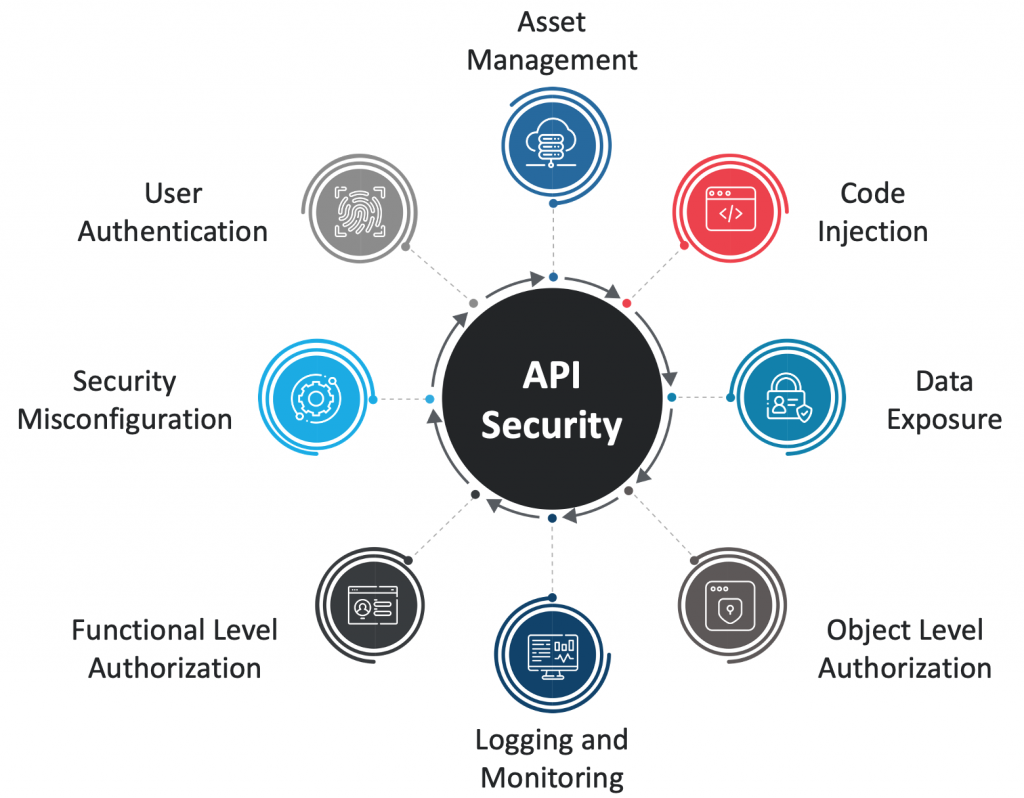
APIs play a critical role in modern applications, but they are also a primary target for attackers. Building a strong foundation in API security is essential for anyone interested in cybersecurity, penetration testing, or application development.
Key Areas to Focus On
Set Up a Practice Environment
Safe, hands-on practice is the most effective way to learn. The Damn Vulnerable API (DVAPI) by Payatu is an intentionally insecure API designed for security testing.
- Learn the Fundamentals
- Understand HTTP methods (GET, POST, PUT, DELETE, PATCH).
- Study authentication and authorization mechanisms such as JWT, OAuth, and API keys.
2. Study the OWASP API Security Top 10 (2023)
Broken Object Level Authorization (BOLA)
– Users can access or change other people’s data by guessing IDs.
Broken Authentication
– Login or token problems allow attackers to pretend to be someone else.
Broken Object Property Level Authorization
– Attackers can view or change information in fields they should not have access to.
Unrestricted Resource Consumption
– No limits on usage (like requests or file size) can crash the server.
Broken Function Level Authorization
– Attackers can run actions meant only for admins or privileged users.
Unrestricted Access to Sensitive Business Flows
– Attackers abuse important app functions (like money transfers or ticket bookings) without proper checks.
Server-Side Request Forgery (SSRF)
– The API is tricked into making requests to internal or hidden systems.
Security Misconfiguration
– Mistakes like default settings, exposed debug info, or open admin panels put APIs at risk.
Improper Inventory Management
– Forgotten, outdated, or undocumented APIs (shadow APIs) remain unprotected.
Unsafe Consumption of APIs
– Trusting data from third-party APIs without validation can lead to attacks.
3. Set Up a Practice Environment
Safe, hands-on practice is the most effective way to learn. The Damn Vulnerable API (DVAPI) by Payatu is an intentionally insecure API designed for security testing.
Installation:
git clone https://github.com/payatu/DVAPI.git
cd DVAPI
docker compose up --build- Lab URL:
http://127.0.0.1:3000 - API Documentation:
/swagger - Postman collection included
4. Develop a Testing Methodology
- Enumerate endpoints and available methods.
- Test authentication and authorization logic.
- Assess input validation and error handling.
- Evaluate rate limiting and resource consumption.
- Document findings with clear reproduction steps, impact, and remediation.
5. Recommended Resources
https://portswigger.net/web-security/api-testing
https://github.com/payatu/DVAPI
Conclusion
Starting with API security requires both theoretical knowledge and practical experience. By combining the OWASP API Top 10 with hands-on labs such as DVAPI, you can build the skills needed to assess, secure, and defend APIs effectively.