


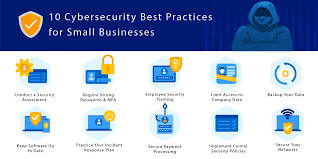
Cyber security is no longer something only large enterprises need to worry about. For startups and SMEs, cybersecurity basics directly impact customer trust, daily operations, and long-term growth.
In the early stages, most founders are busy chasing customers, refining products, or closing funding. Cyber security usually feels like a problem for later. That delay, however, is exactly why SME security has become such an easy target for attackers.
A single incident like a data leak, ransomware attack, or unauthorised access can disrupt operations overnight. The reality is that most of these incidents are not caused by advanced hacking. They happen because basic security measures were missing or ignored.
Why Cyber Security Is Important for Startups and SMEs
Cyber security is critical because startups and small businesses store valuable data. This includes customer information, financial records, intellectual property, and internal systems.
Strong data protection helps businesses:
- Reduce the risk of data breaches
- Maintain customer confidence
- Meet compliance and regulatory expectations
- Protect daily operations
Password Security and Access Control for Startups
Password security continues to be one of the weakest links in cybersecurity basics.
Many startups still rely on reused passwords, shared logins, or simple credentials that are easy to guess. In some cases, multi factor authentication is skipped because it feels inconvenient or unnecessary.
In practice, strong password security makes a massive difference. Using unique passwords for every system, managing them through password managers, and enabling multi factor authentication for business-critical tools can prevent a large number of cyber-attacks before they even begin.
Effective password security practices:
- Strong, unique passwords for every system
- Password managers to store credentials securely
- Multi factor authentication for all business-critical tools
Strong password security alone prevents a large percentage of cyber-attacks.
Security Policies Every SME Should Implement
Security policies set the ground rules for how systems and data are used within an organisation. Without clear policies, access decisions are often made casually and never revisited.
Every SME should clearly define who can access which systems, how data protection is handled, and what steps are taken when employees or vendors leave. Policies do not need to be complex. In fact, simpler rules are more likely to be remembered and followed.
A small set of enforceable security policies is far more effective than lengthy documents that no one reads.
Network Protection and System Security for Small Businesses
Network protection is one of the most overlooked areas of SME security.
Many businesses rely on default network settings, outdated software, or unsecured Wi Fi connections. These gaps make it easier for attackers to gain entry.
Core network protection and system security measures:
- Properly configured firewalls
- Encrypted Wi Fi networks with strong passwords
- Separate guest networks for visitors
- VPN access for remote teams
- Regular system security updates
Outdated systems are one of the easiest ways attackers gain access.
Malware Protection and Cyber Awareness for Employees
Malware protection is still a core part of cyber security, especially as attacks continue to evolve.
Every device that touches company data should be protected. Technical controls help, but they are not enough on their own.
Every business should protect:
- Laptops, mobiles, and tablets used for work
- Email systems that receive external communication
- Cloud connected devices accessing company data
Cyber awareness is equally important. Modern phishing emails are well designed and highly convincing. Regular cyber awareness training helps employees identify suspicious emails, links, and attachments before damage occurs.
Cloud Security and Data Protection for Startups
Cloud security requires a different approach from traditional IT security.
Cloud service providers secure the infrastructure, but startups remain responsible for:
- Access control
- Data protection
- Monitoring system activity
Cloud security best practices include:
- Encryption of stored and shared data
- Role based access to cloud systems
- Regular access reviews
- Clear ownership of data security responsibilities
Without proper cloud security, sensitive data can be exposed unintentionally.
How Often SMEs Should Review Their Security Checklist
A security checklist only works if it is reviewed and updated regularly.
As teams grow and systems change, access rights and configurations often drift. Quarterly cyber security and system security reviews help catch these issues early.
Recommended review schedule:
- Quarterly cyber security and system security reviews
- Regular backup testing and data recovery checks
- Review of access during employee onboarding and exit
- Annual third-party security assessments
Regular reviews ensure security measures remain effective as the business grows.
How Startups and SMEs Can Implement Cybersecurity Basics Step by Step
Implementing cyber security does not need to be overwhelming.
A practical approach for SMEs:
- Focus first on password security, network protection, and malware protection
- Improve cyber awareness through short training sessions
- Strengthen cloud security and data protection gradually
Most cyber-attacks succeed because of basic gaps. Fixing cybersecurity basics already places businesses ahead of many competitors.
Conclusion
For startups and SMEs, strong cybersecurity basics reduce financial and operational risk, strengthen overall SME security posture, protect customer data and trust, and support long term business growth. The cost of implementing a clear and practical security checklist is always far lower than the financial, reputational, and operational damage caused by recovering from a cyber security breach.
Comments
Join the discussion. We’d love to hear your thoughts.