


Data is one of the most valuable assets of any organisation. From customer records, financial details to intellectual property and internal communications, all of it helps businesses in their growth.
But, in the past years, we have seen that how one incident can be harmful enough to destroy reputation and break customer trust. This is the reason why data leak protection is not just an IT concern; it is now a boardroom priority.
Let’s walk through this blog post and know what actually works when its about protecting sensitive information. This guide will also educate you on what are the best practices to secure data from getting breached.
What Is Data Leak Protection?
Data leak protection is about keeping information and data safe by using technologies and policies in order to protect it from getting shared and accessed without permission.
Data leak protection is similar to data leak prevention. There is a small difference, data leak prevention is, about stopping leaks before they happen by monitoring it regularly whereas, data leak protection is a plan that includes prevention, detection and response.
Regardless of terminology, the goal is simple: keep critical data safe, whether it is stored, in use, or being shared.
The main goal of data leak protection is to keep information safe. This is true whether the data is being stored, used or shared with someone. Data leak protection plays a major role as it helps in keeping data safe at all times.
Data leak protection is like a guard for business information. It makes sure that sensitive data does not go out of the organisation without the permission. Data leak protection systems check emails and file transfers and cloud storage and even the devices that employees use. This helps to make sure that people handle information in a responsible way. Data leak protection is very important, for businesses because it keeps their data safe.
Why Data Leak Protection Matters?
In India, the regulatory environment is evolving. With growing focus on data protection in India, companies are expected to handle personal data responsibly and transparently. The Digital Personal Data Protection Act is a set of rules that helps keep an eye on things and gives the people in charge of data protection in India more power to make sure companies are doing what they are supposed to do with the personal data of people, in India.
This means businesses cannot afford to treat security casually. Legal penalties are one part of the risk. Loss of trust is often far more expensive.
Customers today are also more aware of how their personal information is being used. If a company does not keep that information safe people will not trust them and choose other companies instead. Protecting customer information is a part of protecting the company.
Start with Data Visibility
You cannot protect what you cannot see.
The first step in any data leak protection strategy is understanding:
- What data you collect
- Where it is stored
- Who has access
- How it is shared
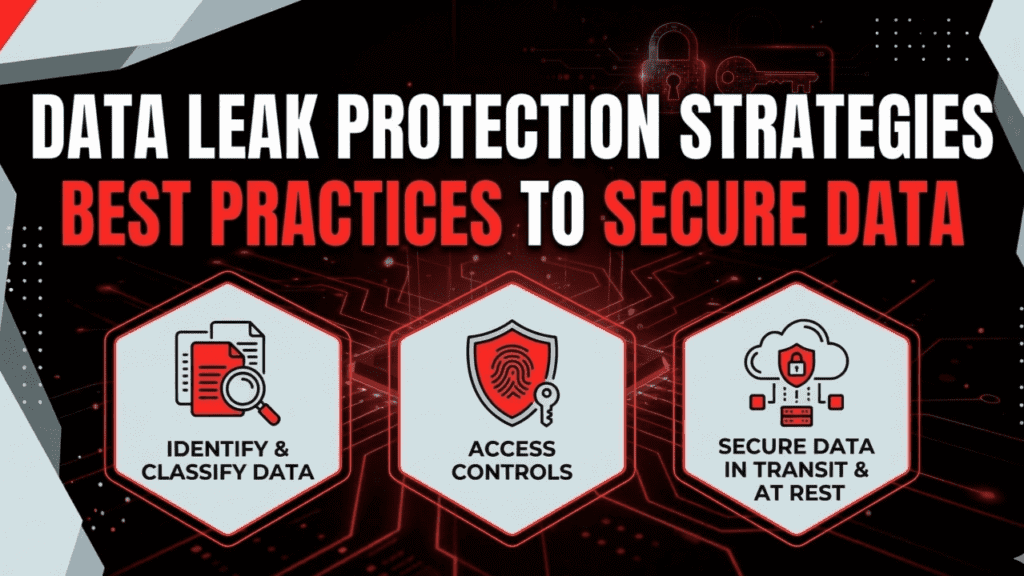
Conduct regular data mapping and classification exercises. Identify sensitive categories such as customer personal data, payment information, confidential contracts, and internal strategy documents.
Implement Access Control Based on Roles
Not everyone in the organization needs access to everything.
Role-based access control (RBAC) ensures employees only see the data necessary for their work. This reduces the risk of both internal misuse and accidental exposure.
Simple practices:
- Strong password policies
- Multi-factor authentication
- Regular access reviews
- Immediate revocation of access when employees leave
Insider threats, whether intentional or accidental, are one of the leading causes of data leaks. Limiting access reduces this risk significantly.
Use Encryption Everywhere It Makes Sense
Encryption protects data both at rest and in transit. If intercepted, encrypted data is unreadable without the correct keys.
This is especially important for:
- Cloud storage
- Email communication
- File transfers
- Backup systems
Encryption is a baseline expectation in modern data protection privacy frameworks.
Monitor and Detect Unusual Activity
Prevention alone is not enough; you need visibility too.
Modern data leak prevention tools can:
- Detect downloaded large files
- Flag unusual login locations
- Monitor data transfers to external devices
- Block unauthorised cloud apps
Real-time monitoring allows organizations to respond before a small issue becomes a major breach.
Build a Culture of Security Awareness
Technology cannot solve everything.
Many data leaks happen because someone clicks on a phishing email, sends sensitive information to the wrong recipient, or uses an unsecured Wi-Fi network.
Regular training sessions help employees understand:
- How to identify suspicious emails
- Safe data sharing practices
- The importance of reporting incidents quickly
Strengthen Vendor and Third-Party Risk Management
Vendors often have access to internal systems or sensitive customer data. If their security practices are weak, your data is still at risk.
Before onboarding partners:
- Conduct security assessments
- Review compliance certifications
- Define clear data handling responsibilities in contracts
Third-party risk management is now a critical part of any mature data leak protection strategy.
Special Considerations for Startups
Startups often think they do not need to worry about security now, but that can be a costly mistake.
Early-stage companies handle investor information, customer data and proprietary technology. Ignoring data protection for startups can damage credibility at a stage where trust is very important.
For growing start-ups, wanting to protect their data, having security practices from the start can even be a plus point.
Have a Clear Incident Response Plan
No system is perfect. Even the most secure organizations can face incidents.
What separates mature companies from reactive ones is preparation.
An incident response plan should clearly define:
- Who is responsible?
- How incidents are reported?
- Steps to contain damage
- Communication with stakeholders
- Legal and regulatory reporting requirements
Under emerging data protection in India regulations, timely reporting to authorities may be mandatory. Being prepared ensures you meet these obligations without panic.
Summary
Data security is not something you can fix with one tool. It is something that you have to keep working on all the time. You need to use technology and make rules and make sure people understand how important it is.
Strong data leak protection is built on visibility, controlled access, monitoring, encryption, and a culture that respects data as a critical asset. As regulatory frameworks mature and customer expectations rise, businesses that invest in thoughtful protection strategies will succeed.
Companies that make data protection a big priority for a time will be ready for problems that might happen with data security, in the future.
Comments
Join the discussion. We’d love to hear your thoughts.